In your 30s, you probably have an established career after investing your 20s in education or on-the-job work experience. You may have a formal degree and a debt to pay, or be in a comfortable position at a company that’s supported your growth over the past decade or more. So, it’s easy to understand why you might feel hesitant to change careers at this age and stage in your life. The good news is that your 30s are, in fact, an ideal time to jump ship, whether to a different role in a similar industry or a completely new career. Why? In this blog, we explore the benefits of a career change at 30 and the steps required to find your new direction at this age.
So, you’re in your 30s, and you’re thinking about changing careers? You might be bored, dissatisfied with your salary, work hours, or the amount of stress in your current role. Whatever the reasons for your discontent, there is hope of finding a new career in your 30s. A career change at 30 (or during this decade) may feel overwhelming, but it’s also an exciting opportunity to make a significant change that better suits what you value now and where you want to go in the future.
Let’s take a look at the five steps to successfully finding a new direction in your 30s.
When you started your career in your teens or 20s, you probably decided on a job without the life experience to guide you. Now, in your 30s, you’re most likely more self-aware and understand what values best align with your ideal role.
Instead of asking yourself, “What career should I pursue now?” a better question to consider is, “What do I want my life to look like?” Think about the skills you enjoy using in your current role, the lifestyle you desire, such as flexible hours, a higher income, or less stress, and the values that are most important to you. While job titles may change over time, these core values will remain constant and can help guide you toward roles that are best suited to your current stage in life.
It might feel like it, but you’re not starting from scratch, even if you decide to pursue a completely different career. In your 30s, you’ve built valuable skills through work, education, and life experience. So, make a list of any and all transferable skills you’ve gained in your current career.
Transferable skills are not necessarily directly related to your job but are important across many industries and helpful in many areas of life. You may have acquired your transferable skills through voluntary work, hobbies or even parenting – basically a culmination of your lived professional experiences so far.
Transferable skills might include the following:
• Leadership
• Project management
• Problem solving
• Communication skills
• Adaptability and flexibility
• Interpersonal and Intrapersonal skills
• Improving processes.
These valuable transferable skills are often more important than direct experience and provide a strong foundation for a career pivot.
Once you know where you’re headed, identify only the specific skills you need to bridge the gap between the career you have and the one you desire. In many cases, you might find that short online courses, certifications, micro-credentials, or hands-on projects are enough. There’s a tendency to assume you need to return to a multi-year university degree, but practical, targeted professional development and your prior experience may be all you need to find your new direction.
Professional development can be:
It’s beneficial to explore your new career options before fully committing, especially if it requires significant financial investment or time to develop necessary skills for success. Why not explore your new direction in some low-risk ways first? You could try your hand at freelancing, take on a side project, volunteer in your community, or do contract work to see if the reality of your new career matches your expectations. This is the perfect step to build your confidence and bolster your experience, and who knows, it might even lead to a few unexpected job opportunities without the pressure of an all-or-nothing leap of faith.
We all have a story to tell, and how you share yours determines the success of your career change. If you do just two things, make sure it’s updating your resume and LinkedIn profile to promote relevant skills and achievements, not simply outdated job titles.
In interviews, explain your experience as a natural progression, highlighting how your background uniquely qualifies you for the next step in your career. You will most likely find that employers couldn’t care less about where you started and are more interested in how you add value to their team or organisation now.
A career change at 30 doesn’t need to be a setback. So, reframe it as a strategic move for your long-term work and life satisfaction. When you know where you’re headed, have intention, and follow the right steps, you can move into work that pays better, fits your lifestyle, and feels meaningful in the long term. Our online professional development courses and micro-credentials can help support steps 2 to 4.
In your 30s, you can take advantage of an early-career pivot. At this stage of your career journey, you can afford to take calculated risks, and you can take advantage of early experiences and skill up fast through online learning and micro-credentials.
If you’re thinking about a career change at 30, it starts with making a commitment to change. Whether that’s taking a short course to bridge skills gaps, volunteering in your community or taking on freelance projects, your new direction is just one decision away.
Can we help you find your new direction? Contact one of our friendly Course Consultants today on 1300 76 2221, via Live Chat, or Online for more information.
You often hear people praised for their perseverance and resilience in the workplace, but what if the real power move is walking away? Quitting is often viewed as a sign of failure, but the ability to leave is also a reflection of emotional intelligence and confidence. In this blog post, we explore how to resign from a job when staying causes more harm than good, whether to you professionally, mentally or emotionally.
Many workplaces emphasise dogged determination and “hustle culture,” often sacrificing personal fulfilment and well-being. This pressure can trap you in a detrimental career, leading to self-doubt and low self-esteem, which can negatively impact your professional future.
Why do we stay in such situations? Fear of appearing weak or of failure often keeps us from leaving a job or a project. The struggle of prioritising health and job satisfaction over loyalty can lead to guilt and self-doubt. Yet sometimes, the bravest choice is to leave. It’s crucial to recognise when it’s time and to have a solid exit plan.
If you have a constant sense of foreboding about going to work, not just a bad week, it’s probably time to think about how to resign from your job.
When you feel like you’re no longer learning or enjoying challenges at work, it means you’re not growing professionally and would probably benefit from a new direction.
If your personal ethics, culture, or leadership style conflicts with your role, it’s a strong indicator that you may need to consider moving on.
It’s natural to experience some stress at work, but if you’re feeling completely depleted after work, it’s not healthy to continue in this professional environment.
If you feel like the challenge is no longer there at your workplace and you’re capable of more, it’s time to learn how to resign from a job gracefully and move on.
If the fear of financial uncertainty, the unknown, or disappointing others is holding you back from moving forward in your current career, it’s time to face your fears and find a new direction.
You’re physically there, but your motivation for the work has long since vanished, which means it’s time to quit.

An exit plan is a strategic move that enables you to leave a job, project, or role in a way that protects your reputation, relationships, and future opportunities. It’s not just about giving notice, but also about leaving intentionally and professionally.
The following is a guide on how to plan your professional exit, turning a difficult decision into an empowering one. When you are organised, experienced, and intentional, you protect your reputation and set yourself up for future success.
“I’ve realised I’ve outgrown my current role and want to move into a more creative industry.”
“After much consideration, I’ve decided it’s time for a new direction in my career. I’ve valued my time here, and I’m committed to making the transition as smooth as possible.”
There’s a right way to resign from a job, and it involves being professional, confident and candid in your communication with your workplace. If you’re looking to learn how to resign from a job, take note of the following steps to success.
When you decide to resign, it’s important to communicate your decision professionally. This often involves submitting a formal resignation letter to your supervisor and providing adequate notice, typically two weeks.
Make sure that your resignation is amicable. It’s essential to part on good terms, as it helps preserve relationships and maintain your professional network for future opportunities.
Take some time to consider the experiences and skills you gained during your time at the workplace. This reflection can provide valuable insights as you transition to your next role.
You should always approach your resignation with a positive mindset. Try to explain your decision as a proactive step towards your career goals rather than something to feel guilty about. Confidence in your decision can help ease the transition for both you and your employer.
Tip: Practice telling your ‘leaving story’ with confidence and self-awareness, as this will be crucial in future interviews.
Quitting is often viewed negatively, but it can be a sign of confidence and self-awareness. It’s important to recognise when something is no longer working for you professionally. So, be sure to take the time to reflect on how to resign from a job professionally. What commitments or habits are holding you back? Making a difficult choice can lead to new and more fulfilling opportunities.
Can we help you with professional development opportunities to find your new direction? Simply contact one of our Course Consultants today at 1300 76 2221 or via Live Chat for information and support.
When was the last time you took a risk? While feeling secure in your career is comforting, being excited about your work is also important. If you’re feeling flat, don’t wait for serendipity to step in and breathe life back into your career. After all, the twists and turns make life interesting, and it’s no different on your professional journey.
So, if you’ve been thinking about changing careers, we encourage you to find a new direction because success isn’t a straight line. It’s about daring to detour. When you step outside of your comfort zone, there’s the potential to find fulfilment and success that exceeds your highest expectations.
So, where should you start? In this blog, we explore why taking detours in your career can lead to surprising opportunities, long-term success, and, perhaps most importantly, professional fulfilment.
Shifting a straight-line mindset can be challenging, especially when societal, educational, and corporate expectations value a singular path. But there’s no doubt that linear career paths are outdated. It’s a fast-paced, dynamic world of work, and rigid career plans rarely hold the security they once did generations ago.
Today, some of the most successful professionals have learned to take risks. They pivot, adapt, and embrace the inevitability of changing careers in their lifetime. Research shows that most people will change careers at least once in their lives, but the average person is more likely to experience 3-7 careers before they retire. So, how do you change your mindset and detour at any age or stage in your career?
A successful detour is any change in direction that improves your professional life. It may mean applying for a promotion, changing your career or creating a profitable side hustle. Whatever detour you take, the new direction ensures you embrace change when the road ahead no longer serves you.
A major detour is when changing careers means switching industries, which often involves investing heavily in education or training and possibly sacrificing your salary, at least temporarily. This is a bold career move that changes your life significantly. It’s a choice that reflects a commitment to honouring your interests and values, and while the short-term cost can be high, the long-term payoff in fulfilment, motivation, and opportunity is often worth it.
Moving into a new role involves less risk but still requires courage. It could mean transitioning into a leadership position or applying for a different role in the same industry or organisation. These role changes broaden your horizons in terms of professional development, skill set, and understanding of your field. Often, it’s the only detour you need to reignite your passion and enthusiasm for your work.
Freelancing offers an alternative path that carries less risk and can potentially replace traditional corporate work. The gig economy provides flexibility, autonomy, and creative control. Many professionals find that freelancing enhances job satisfaction by allowing them to pursue passion projects while accommodating personal priorities. But keep in mind that if you choose to make this freelance lifestyle permanent, you may face inconsistent income and the expenses related to self-promotion.
Sometimes, a detour isn’t as dramatic as changing careers or taking on a side hustle. It can be as simple as learning something new on the side. Whether taking a course in a completely different field or volunteering in your community, you’ll gain new skills that give you a competitive advantage or a whole new career.

What does a professional detour look like when changing careers, switching roles, freelancing, or developing surprising skills? Below, we’ve provided examples of dramatic and more subtle detours to inspire you to confidently navigate your own new direction.
A finance analyst who took night classes in user experience design now leads digital product strategy at a tech firm, combining analytical skills with creative problem-solving.
A high school teacher transitioned into corporate training and development, where she applied her communication and leadership skills in a new way, leading to a new career.
A marketing manager left her full-time role to launch a creative consulting business. What started as a freelance gig became a successful agency, allowing her to set her own schedule and discover a passion for business storytelling!
An administration assistant started a professional development course on marketing data analytics. Within a year, he transitioned from an administration role to a new career as a junior marketing analyst. Changing careers wouldn’t have happened without his unexpected skill development.
If you’re considering changing careers or taking a slightly less dramatic detour in your professional life, these simple strategies can help you succeed.
When was the last time you reflected on what you are truly passionate about? Reflect on your career and whether it still resonates with your values and future goals. If you’re not engaged in work that you love, what steps can you take towards changing careers to suit your passions?
Not all detours are equal, so learn how to calculate risk to ensure changing careers makes sense for your professional and personal circumstances. Consider factors such as job market trends, skill requirements, financial implications and your own readiness for change. When you carefully weigh these risks and benefits, you can make an informed decision that supports your long-term success.
Keep learning and growing even if you don’t have a perfect professional plan. Changing careers might not be an option right now, but continual professional development in areas you are passionate about can lead to a fresh new direction in future.
Remember, success rarely comes to those who rigidly follow a straight path in their career. It comes from finding a new direction occasionally through acting on opportunities and trusting in your ability to adapt to change.
Can we help you with professional development courses to support a detour or changing careers? Simply contact one of our Course Consultants today at 1300 76 2221 or via Live Chat for more information or support.
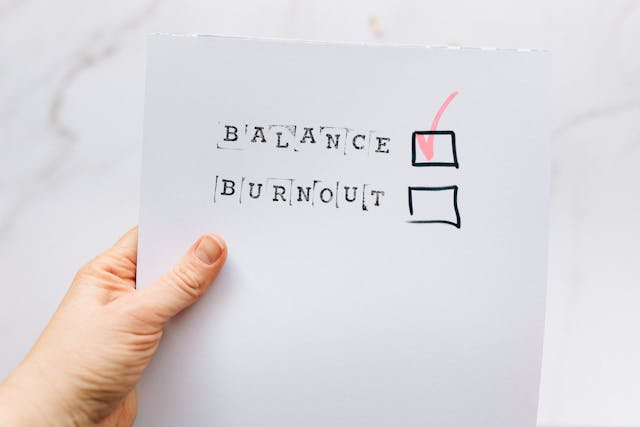
Career planning is essential at any stage of your professional life, especially if you feel unfulfilled in your current role. In the same way a health check-up is important for your continued well-being, a career check-up ensures you are still following your goals (and dreams).
A career check-up is a regular review of your professional goals, performance, satisfaction, and growth. It helps you identify skills gaps, reevaluate long-term goals, and plan for the future. It’s an important part of career planning and should be undertaken annually, after significant life changes (such as starting a family or completing education), and when feeling stuck or unfulfilled in your current career.
Do you feel?
If so, there’s a strong possibility you’re overdue for a career check-up. Don’t wait any longer! Take our six-step career check-up to rediscover your passion. Alternatively, consider retraining or acquiring new professional development skills to pursue a different career—one that’s both challenging (in just the right amount) but won’t lead to burnout.
Are you in need of a thorough career check-up? If so, the process isn’t as complicated (or painful) as it sounds. Start by reflecting on your current situation. It’s helpful to review your previous career goals, assess your current skills, evaluate your network and potential opportunities, and finally, create a plan for moving forward!
Are you happy at work? Okay, so realistically, no one is happy all the time, but if you have more bad days than good, your job satisfaction could be a problem. There could be many reasons why you’re unhappy at work, from a work-life imbalance to not using the skills you truly enjoy or a mismatch between the role and your personal values. When you make time for honest reflection and identify what needs to change, you set yourself on a path to a more meaningful career.
Once you’ve reflected on where you are currently, it’s time to think about where you’re headed. Take a look over your short-term and long-term career planning goals to see if they still reflect your current interests and circumstances. Are those goals still relevant and inspiring, or do they need adjusting based on changes in your personal or professional life? When you regularly review your career planning goals, it ensures you stay on a path that feels both purposeful and attainable.
Next, take a close look at your current skill set and how it supports your career ambitions. Are there any new skills you’ve gained recently? If so, ensure you have included them on your CV or resume and LinkedIn profile. Are there any areas that you need further professional development or upskilling? It’s also important to stay informed about the latest industry trends. Think about emerging tools, technologies, or practices you need to learn to stay competitive? When you understand your strengths and areas for growth, you will stay responsive to a job market that’s often fast and unpredictable.
Your professional network can be a powerful way to make a career transition, whether a step up or a completely new field. Who are your mentors and supporters? Are they actively helping you grow? Are you connected to people in your desired field or industry, and how might you strengthen those relationships? If you need help building and maintaining strong networks and partnerships, consider our Develop & Maintain Networks and Collaborative Partnerships, short online course. Also, look for hidden opportunities within your current workplace. Sometimes, the next big step is closer than you think. A simple conversation or collaboration might be all you need to step outside your comfort zone and make a brave new career move.
Your personal brand tells your unique story. It influences how you’re perceived, remembered and valued professionally. It’s often the first impression you make, so ensure your resume or CV is up-to-date and accurately reflects your most relevant experiences and accomplishments. Don’t forget to review your LinkedIn profile to ensure it reflects your current goals and promotes your unique value. Highlight achievements, update your summary, and consider how your online presence supports the direction you want your career to take. Consider professional development training, like our Personal Brand Management course if you need skills to build a personal brand.
The final step, now that you have a better understanding of where you’re at now and where you want to go, is to create a professional development plan of action. Start by setting new SMART goals—specific, measurable, achievable, relevant, and time-sensitive—to give your career direction and momentum. Identify the next practical steps you need to take, whether enrolling in a course, expanding your professional network, or updating your LinkedIn profile. If you need a bit of extra support and accountability (who doesn’t?), consider finding a mentor or career coach who can make sure your career check-up is thorough, and the remedy (your action plan) is comprehensive and successful!
Scheduling regular career check-ups is a crucial part of career planning. It’s about staying proactive about your professional development and an opportunity to pivot in your career when you no longer feel fulfilled. So, whether you’re feeling stuck or want to stay on track in your current role, it’s never too late to course-correct, set new goals, and dream bigger. Talk to one of our friendly Course Consultants if you need professional development. Simply contact one of our Course Consultants today at 1300 76 2221 or via Live Chat.
Daydreaming often gets a bad reputation, but it can actually boost your career success. We’re not talking about maladaptive daydreaming, which can be disruptive, but the kind that sparks creativity, problem-solving, and innovation. Allowing your mind to wander in a controlled way becomes a powerful tool rather than a distraction. Let’s explore the science behind productive and maladaptive daydreaming—and how to manage it to your advantage.
Daydreaming is when you have spontaneous thoughts that are unrelated to your situation. Everyone experiences daydreaming. In fact, you may be surprised to learn that we spend 30 – 50% of our waking hours disengaged from the goings-on around us. That’s a lot of time daydreaming, so let’s explore what’s happening during these mind-wandering sessions.
When your mind wanders, you will generally be less aware of your external environment and have reduced sensory processing. What does that mean?
Imagine you’re in a coffee shop, waiting for your order to be called. You’re sitting in front of your laptop, catching up on a few emails, when your mind begins to wander about your upcoming trip to Sydney. You’re daydreaming about swimming at the beach and what you’ll buy on your holiday, so you don’t notice the barista calling your name.
Before you know it, your coffee is cold on the counter, and you can’t figure out how you missed the call for your order. What’s happened? Your brain was so focused on your internal thoughts about the upcoming holiday that your external surroundings faded into the background. Essentially, your sensory processing – hearing and noticing movement around you – was turned down.
While the above fictional scenario is unfortunate (cold coffee), it’s inconsequential in the grand scheme of things, but what does this mean for personal goals and career success? You’ll be happy to know that daydreaming activates brain regions linked to internal self-reflection and planning, according to studies published in the journal Psychology of Learning and Motivation.
Despite its negative reputation, daydreaming offers valuable benefits, particularly in problem-solving. Many people experience “lightbulb moments” during mind-wandering, especially when searching for innovative solutions. Stepping away from a problem and allowing the mind to drift can lead to unexpected insights and fresh perspectives that may not emerge through focused thinking alone.
Daydreaming also plays a crucial role in boosting creativity. Research shows that creativity and daydreaming share similar cognitive processes and neural pathways. Engaging in simple, undemanding tasks that encourage mind-wandering has been found to enhance creative problem-solving. When you allow your brain to make unexpected connections, daydreaming promotes original ideas and innovative thinking.
The idea that daydreaming is a distraction that must be curbed at all costs is a widely perpetuated myth. In fact, daydreaming can be a powerful tool for professional and career development.
When you daydream, you allow your brain to explore different careers, roles or learning opportunities, which directly influences strategic planning. You’ve probably heard the saying, ‘If you can imagine it, you can achieve it.’ That’s what daydreaming can do for your career.
It also encourages adaptability and out-of-the-box solutions, which are crucial in today’s dynamic work environments. When you can step back from rigid thinking and let your mind explore new possibilities, you’ll most likely stumble upon novel solutions to complex challenges.
Daydreaming isn’t just for creatives. It greatly benefits professionals in all fields, including product design, marketing, and business operations. For example, a business operations professional dealing with supply chain issues feels overwhelmed after hours of analysis. To clear their mind, they take a walk, allowing their thoughts to wander. During this time, they recall how a colleague streamlined interdepartmental operations in a similar situation, leading to an innovative idea.
Taking short mental breaks, like the example above, through daydreaming reduces stress and fights off fatigue, improving focus and productivity. So, how can you incorporate productive daydreaming into your day-to-day at work?
You might think it’s completely involuntary, and you’d be right, daydreaming can be, but you can also hone this skill to take advantage of its benefits by taking breaks, stepping away from screens and getting active.
When you feel frustrated about losing focus, try to embrace it. When your mind wanders, you can boost your problem-solving and creativity. Remember, psychological studies show that stepping away from intensive, mentally draining tasks and entering the default mode network (DMN) may generate new ideas that other networks assess and process further.
When you take a break from digital distractions, you activate your DMN, which triggers daydreaming and imagination. So, next time you feel like mindlessly scrolling on Instagram, get up and search for a non-tech alternative, like making a snack or brewing an invigorating beverage!
Another way to tap into your DMN is to engage in simple, intentional activities, such as walking, doodling, or meditating, to stimulate creative thinking. And if someone tells you to take a hike, it might not be such a bad idea, as active walking has been shown to boost creativity by up to 60%!

While daydreaming can be a powerful tool for creativity and problem-solving, maladaptive daydreaming, also known as excessive or uncontrolled mind-wandering, might indicate an underlying problem. Do you think daydreaming interferes with productivity, relationships, or day-to-day responsibilities? It may be worth exploring with a mental health professional whether it has become a problem.
If you experience any of the following signs of maladaptive daydreaming, seeking help is important.
Struggling to complete work because you frequently drift off into elaborate daydreams.
Daydreaming can be used to avoid stress or responsibilities rather than as a creative tool.
Frequently getting lost in thought for long periods, making it hard to manage deadlines or commitments.
Feeling frustrated, anxious, or guilty about your daydreaming.
Colleagues or loved ones frequently indicate your absent-mindedness.
When daydreaming becomes a problem, it can be linked to conditions like ADHD or maladaptive daydreaming. When you understand the difference between productive mind-wandering and these conditions, you can seek help to maintain your focus and wellbeing.
People with ADHD often struggle with focus and may experience uncontrolled daydreaming. Their daydreams may feel intrusive, preventing them from completing important tasks in their personal and professional lives.
Maladaptive daydreaming is a condition in which a person becomes deeply engrossed in vivid, complex daydreams to the point that they disrupt their daily life. Unlike productive mind-wandering, maladaptive daydreaming can be compulsive and difficult to control.
You can tackle maladaptive daydreaming through self-reflection, mindfulness, time management, and by seeking professional help.
Take note of when and why you daydream—are you using it for creativity or avoidance?
Practice grounding exercises like meditation or yoga to stay present and engaged in important tasks.
Set structured time for creative thinking while maintaining focus on work or important personal tasks.
If daydreaming negatively impacts your career or personal life, consider consulting a mental health professional to explore potential causes.
We encourage you to explore daydreaming as a tool for enhancing creativity, while also being aware of when it might pose a problem for achieving your personal or professional goals. When practiced intentionally, mind-wandering can be a powerful asset in advancing your career. But if you engage in maladaptive daydreaming, exploring self-help strategies or considering seeking professional advice is important.
Can we help with professional development opportunities? Simply contact one of our Course Consultants today at 1300 76 2221 or via Live Chat.
Finding a career that resonates with you is vital for personal satisfaction and fulfilment. It shapes your daily life, long-term happiness, and a sense of purpose. If you’re feeling unfulfilled in your current role, it may be time to explore new horizons. Remember, even if you’re well into your career, many people successfully change paths multiple times in their lives. While knowing your next steps can be challenging, we’ve gathered resources to empower you on your journey towards a more fulfilling future.
Career aptitude quizzes help you identify your interests, skills, personality traits, and values to help you find the ideal job for you. They can be incredibly beneficial in finding a new career, as they offer valuable insights that highlight your strengths to match with roles and industries that will suit you. Assessments also support decision-making for education and training to help transition to a new career. These tools use questionnaires, quizzes, and standardised tests to help you make informed decisions and navigate suitable career options, ultimately leading you closer to a career that is a perfect fit for you.
When looking for career aptitude quizzes to support your career search, there are three main types of assessments to consider, including:
These tests help you identify your passions and preferences in various fields and activities. Interest-based assessments clarify what you enjoy in your personal life and transfer those interests to potential career paths, inevitably leading to greater job satisfaction.
Skills-based evaluations focus on what you’re good at naturally, considering obvious abilities and competencies. These assessments measure hard skills like technical proficiency and soft skills like communication and teamwork. Recognising your strengths in these areas can help narrow down career choices and also highlight areas for professional development.
These tests assess your personality traits, helping you determine how you might fit into different work environments. Understanding your unique personality can help you choose careers that complement your work style and encourage personal and professional growth.
All three career aptitude quizzes are important for gaining valuable insights into your suitability for various careers, ultimately leading to informed decisions about your professional life.

Career aptitude quizzes have four main advantages, including greater self-awareness, career clarity, goal setting and increased confidence in your abilities. Let’s take a closer look at how assessments can help you in your career journey!
Career aptitude quizzes help you better understand your unique strengths, skills, and interests. When you are aware of your personality traits and preferences, you can identify what drives you, allowing you to make more informed decisions about your career path.
You will probably be spoilt for choice when it comes to career options, so choosing the right one can be overwhelming. Career assessments work to narrow down your choices by highlighting fields and roles that complement your personal attributes. This clarity helps you focus your efforts on opportunities most likely to lead to fulfilment and future success.
Using career assessment tools can help you establish clear and realistic career goals. These assessments provide valuable insights that guide you in creating a structured roadmap, breaking down your aspirations into actionable steps. This systematic approach makes your goals more attainable and motivates you to maintain progress towards finding an exciting new direction.
Making career decisions can be daunting, but career assessment tools will give you confidence in your capabilities. As a result, you will find that you approach decisions with greater assurance and determination. This increased confidence can positively impact your professional growth and overall satisfaction in your career.
The following career assessment tools and resources are compiled to help you find a career that’s right for you. It’s a guide and not an endorsement, so please do your research before subscribing or entering personal information.
Your Career is home to career information, where you can search industries and occupations to find a career that’s right for you. Simply answer a few questions to find job options supporting your career needs or goals.
Explore Careers is a free quiz to help you discover the Australian industries and careers that are right for you. This quiz is unique because the results will tell you about real Australian companies you could work for.
My Future is an Australian Government (Education) website that provides a comprehensive tool for students and adults to explore career options. You must sign up with your email address and enter some personal information, including date of birth and career stage, but you can opt out of receiving ongoing mail. Once registered, you can complete activities to help identify your interests, values and skills and view results, including suggested occupations and career pathways.
Try the Seek Career Quiz. You will need a SEEK profile, or you’ll need to sign up to receive your results. Based on your responses, it will provide you with a few career options that allow you to use your skills and preferences. You can then explore these careers in more detail, including the job opportunities, salary, projected job growth and overall job satisfaction.
Brain Manager is a professional career aptitude test created with help from psychologists and neuroscientists. It will help you discover the top ten job matches for your personality and receive a PDF report of your career test results. However, it’s not free. If you’re not a subscriber, you can opt for a 7-day free trial for a small fee, which gives you unlimited access to all tests. You can cancel anytime and still access the free member’s area.
Skills Road offers tools to help you uncover your skillset, find careers that are a good fit, get job-ready and land the right job! It’s free to join and has tons of resources, whether you’re finding your first job, changing careers or getting back into the workforce.
Take the free career aptitude quiz and discover what jobs best suit your skills and interests at ‘What Career is Right for Me.’ It’s an easy 5-step online career test that takes about 5 to ten minutes. Best of all, you don’t need to input any personal information.
Now you’ve got the tools to assess your ideal career, ensure you conduct in-depth research on your top career options to better understand the roles, responsibilities, and growth opportunities each may offer. Connecting and networking with professionals already working in your desired field is also important. Their insight and advice will help you gain a clearer perspective on the industry.
Consider enrolling in professional development courses to equip you with the skills and knowledge required for your ideal career, helping you stand out in the job market!
If you’re ready to take the next step in your career, contact one of our friendly Career Consultants today at 1300 76 2221 or via Live Chat to explore professional development opportunities that will enhance your skills and advance your career.
Career choices don’t have to be permanent. Changing circumstances, goals and interests, or an unplanned change in career status can lead many of us to explore new industries and roles. And although it can be a daunting experience, statistics show that during the year ending February 2022, 1.3 million people (or 9.5 per cent of employed people) changed jobs. That’s the highest annual job mobility rate since 2012.
Here are our top tips if you are considering career transitioning, including gaining clarity on what you want and taking action to achieve it.
There is a range of reasons people decide to change careers. They include because you:
Before considering career transitioning, it’s vital you make a plan, set goals, develop a timeline, and take some steps to prepare yourself. They can include:
This is a great place to start. Significant challenges can result from changing careers, so you should be clear about what you want in the future. Some questions to yourself: What do I want from a career? What is my “dream job”? What sacrifices am I prepared to make to achieve it? What financial commitments need to be covered? What are my strengths and weaknesses?
These include technical or “hard” skills that help you perform a specific task and can include qualifications, education, training, certifications and role or industry-specific knowledge you have gained over your career. They also include “soft” skills, which, according to Indeed, aren’t about the knowledge you possess, but rather the behaviours you display in certain situations.
According to LinkedIn, the top 16 in-demand soft skills for 2022 are adaptability, communication, critical thinking, digital literacy, time management, initiative, teamwork, leadership, proactivity, networking, life-long learning, negotiation, self-care, emotional intelligence, confidence and resilience.
According to a quote by Herminia Ibarra in her book, Working Identity, “By far the biggest mistake people make when trying to change careers is to delay taking the first step until they have settled on a destination”. It sums up her view that career transitioning is not necessarily just a product of careful planning but comes from experimenting — including in your current role.
According to a LinkedIn article, career experimentation is a risk-free way to try out new “identities”, roles or responsibilities while still connected to the security of your current identity and career. It could be
taking on an additional role, a temporary project, finding a coach or mentor, or seeking new types of training or educational opportunities.
Building and leveraging networks to support your career change progress can be enormously beneficial. Connecting with industry professionals — in-person at industry events or via associations, or online through sites such as LinkedIn — can give you guidance and advice about your new career path. They may also introduce you to valuable contacts or recommend job openings that might suit you.
Career transitioning requires commitment and a variety of action plan steps, including:
It can be tempting to quit in a dramatic fashion if you are unfulfilled or unhappy at work, but it’s always wise to be professional. After all, you may need a reference for your new career! When the time comes, request a meeting with your boss and let them know your intentions. Give them a formal resignation letter and adequate notice. Finish any existing projects, and document your workflows and job duties for a smooth transition. It’s not only the “right” thing to do; it ensures you maintain your professionalism and leave on good terms.
Career changes often mean additional study, particularly if you are looking to enhance your career prospects. This can include learning new skills or obtaining a certification, license or other educational qualifications. Volunteering or obtaining an internship is also a great way of gaining experience in a field that perhaps you’ve not worked in before, before taking the plunge!
Make your resume as concise, accurate, relevant, and readable as possible, as it is generally the first impression a potential employer or recruiter has of you and your achievements! Here are our top tips for How to Write a Good Resume.
Finally, consider how to position your career change to others including recruiters and potential employers. Don’t wait until you are in an interview to consider how to explain the reason for your career transitioning. Because you will be asked this weighted question, it’s best to be prepared.
Prepare a positive, strong, confident, and future-oriented response. And never lose sight of the fact that you are a multi-faceted person capable of accomplishing many things, and your skills and experience apply to more than one job and possibly more than one career. The more clearly you can articulate your value and connect the dots between your past experience and new opportunities, the more possibilities that will be available to you!
Learning is essential to our existence. And just like food nourishes our bodies, continuous learning nourishes our minds. As Mahatma Gandhi once said, “Live as if you were to die tomorrow. Learn as if you were to live forever”.
And despite the studies citing that after the age of twelve we lose some of the capacity to absorb new information, all of us have neuroplasticity. This is the brain’s ability to rewire itself in response to new challenges. This fact alone is motivation enough for you to work in the area of adult education, and a great first step is to undertake our Facilitate Adult Learning & Development course!
Whether it’s in literacy, language or numeracy, this course will teach you how to guide, advise, support and respond to the needs of those keen to step into the wonderful world of adult learning courses. Need more inspiration to get started? Let’s look at some theories around adult learning, the types of adult learners, and what makes adult learners different from younger generations.
There is an abundance of theories surrounding adult learning, and many are based on “andragogy”. Andragogy is the “art and science of helping adults learn”. The first recorded use of the word was in the 1830s, however, the disciplined pursuit began in the 1960s.
Within formal education including adult learning courses, the word is most often used in reference to self-directed learning. This takes into account an individual’s desire to know:
Alexander Kapp and Eugen Rosenstock-Huessy developed theories around adult education that were later popularised by Malcolm Knowles, a theorist in adult education.
For Knowles, adult learning was premised on these principal metaphors:
As a result of undertaking our Facilitate Adult Learning & Development course to encourage individuals to undertake adult learning courses, you may be interested in some of the fundamental theories around how people learn. Three major theories are:
Behaviourism stems from the work of B.F. Skinner and assumes the learner begins as a “clean slate”, passively receives information, and adopts behaviours through negative or positive reinforcement. Learners focus on and remember key points, and learning is a response to particular stimuli. Instruction is repetitive and reinforced. The focus of this theory is that all behaviours are acquired through conditioning.
Cognitivism rejects the idea that all behaviour is merely a response to external stimuli. Instead, learners actively process information by linking old and new information together in a cumulative and meaningful way. The theory assumes that learning occurs as a result of mental or cognitive processes. Mental processes include thinking, knowing, remembering, observing, problem-solving, categorising and making generalisations. This theory focuses on the human mind and how people think and understand.
With constructivism, learning is a process of building one’s own subjective reality, and learning is an active, constructive process. Knowledge is developed through the process of contextualisation, and learners bring their own experiences, interpretation and cultural factors to a learning experience.
Those who undertake adult learning courses can be typically described in five groups:
#1 – Lifelong learners. Adults who have had positive experiences of learning and want to continually expand their knowledge, skills and interests.
#2 – Reluctant learners. Adults who have had negative learning experiences and need a lot of encouragement to give learning another go if it is in a formal environment.
#3 – Breaking barriers learners. Adults who want to learn more but have barriers to participating in adult learning such as isolation, financial concerns or lack of family support.
#4 – Community builders. Adults who want to learn with others in order to participate in their community and expand the quality of their relationships.
#5 – Foundation learners. Adults who missed out on the schooling they need and want to be able to read, speak, write and listen more effectively and improve their basic maths skills. It also includes adults whose first language is not English who want to improve their English reading, writing, listening and speaking.
For Knowles, adult learning was premised on the following characteristics:
Adults want to know why they need to learn something and understand its value. They may ask, “Why is this important?” or “Why do I need to know this?” They also want their learning experiences to:
Adult learners want to be seen as capable learners and should be offered choices and be encouraged to set their own learning goals. Adult learners:
Adult learners bring the diversity and richness of their lives with them. Hence, they should be given the opportunity to use their existing experience and knowledge, which they can apply to new learning experiences. They typically:
Adults are ready to learn when they identify something they want to know, become proficient at, or experience something that connects with their life situation. They typically:
Adult learners want to be engaged in problem-centred or life-centred learning experiences. They typically:
Adults are responsive to external motivators such as an increased salary or a better job, however, the best motivators are internal. For example,
According to the Oxford dictionary, networking is “the action or process of interacting with others to exchange information and develop professional or social contacts”. It doesn’t always have to be business-oriented — hence, the words “social contacts” in this definition.
According to LinkedIn, it can be as simple as “making new friends”. It can be a way of getting better acquainted with others outside of seeking success or professional gain. Along the way, it can also give you insights into yourself and your future life and career goals. Here are some tips on how to network successfully.
The Life Skills That Matter website cites that meeting new people is a necessity if you want to create a lifestyle that revolves around more meaningful work on your own terms. Interacting with like-minded people can not only help you make changes in your life but can also dramatically improve your chances of success. It cites three primary “mindsets” — the established set of attitudes someone holds — in terms of building connections.
In terms of how to network, the goal here is essentially to view other people as “transactions”. This means you want something from them — a sale, a job, money or a favour. So, often it means the connection is self-interested and not genuine. Many find networking uncomfortable as they feel like they:
The goal of making friends is essentially about feeling a “connection” with someone and sharing mutual interests. And the best part is that you can be yourself! It’s also about “feeling” a connection rather than “making” one. And they are very different. When you meet someone, you aren’t necessarily looking for an agenda. The foundation of friendship is trust, not a transaction. When you meet someone you could consider a friend, you aren’t guiding the conversation towards a sale or hunting down a new contact. You are simply enjoying the connection.
The goal of building a community is to “ feel both connected and collaborative with a group of like-minded people. You support each other to help each other succeed”. This is about building a professional community based on mutually beneficial relationships so you can help each other grow over the long term.
Before searching outside your current circle of contacts, start closer to home. Let everyone know you are interested in expanding your network. Several people in your network likely know someone who knows someone who knows someone that would be a good introduction for you. Ever heard of six degrees of separation?
On the flip side, another essential part of how to network is letting go of old contacts, particularly if they aren’t giving you the type of friendship you are looking for. Finding new contacts is an investment and a slow and steady process, but it will have enormous benefits.
As Albert Einstein once said, “In a world where you can be anything, be yourself”. People tend to give off a trustworthy and positive energy when talking about things they are interested in or passionate about. And authenticity is vital in these situations.
This theory revolves around making a concerted effort to get to know the other person. You can achieve this by being fully present in the conversation and listening as much as you speak. Knowing how to network in this sense is understanding that it’s a two-way street and successful networking occurs when both parties benefit. It’s also about asking questions. Asking more questions can build emotional intelligence and lead to better soft skills, which are key to building interpersonal relationships, communicating better and connecting with others.
The quality of your relationships trumps quantity in terms of “making connections”. Those at the core of your relationships will serve as your advocates and vastly amplify your message by not just talking about you but your community and beyond.
According to the psychologist, best-selling author and the “Godfather of influence” Robert Cialdini, the best way of making personal connections is to figure out what you have in common with them — and it doesn’t have to be work-related! It could be as simple as being dog lovers, sharing the same sports team or enjoying the same lifestyle or health pursuits. Connections are created through shared experiences, so can also build trust over the long term.
Another tip for how to network and potentially make new friends is to show your individuality and stand out from the crowd. Being memorable can also involve offering your help and support (kindness is king!) and then demonstrating your interest in doing so, not just talking about it.
For those of us who are a little more introverted, place yourself in the “path of conversation”. This can be daunting, but it is about putting yourself in positions where you will actively have to talk to people. It can include seeking out groups or associations you are interested in, volunteering for organisations aligned with your goals, and/or engaging with social media platforms with like-minded people. LinkedIn is a particularly powerful tool (being one of the world’s largest professional networks). A good tip is to search for possible contacts and then send them a personalised message with an introduction and a reason for reaching out.
Forming connections takes time and they aren’t typically created overnight. In fact, experts say it takes from 40 to 60 hours spent together in the first few weeks after meeting people to form a casual friendship. The transition from a casual friend to a solid friend takes even more — between 80 and 100 hours!
Many of us have a friend or colleague who we haven’t seen for months. But when we do connect, it’s as if we’d made contact yesterday. Sound familiar? Strong relationships can last forever, and networking can be the start of such relationships. Creating connections based on shared goals and interests can also boost positivity and productivity. Plus, you’ll enhance your personal and professional life, as everyone wants to surround themselves with people they like. Why not make that you?
Whether you’re a school leaver, after a career change or returning to the workforce, everyone negotiates a career choice in their own unique way. Effective career decisions can help you to adapt to change, and take control of your career and opportunities that may arise. However, the process can be daunting as other factors may be involved, including how to manage yourself and/or your family, your lifestyle, your personal interests and your financial future.
There are a range of decision-making strategies and models that can help, however, one industry-recommended model is based on the CASVE Cycle, which was initially devised in 2003 by James P. Sampson and his colleagues from Florida State University. It focuses on action-oriented steps broken down into five stages — Communication, Analysis, Synthesis, Valuing and Execution. It has been recommended as a great career decision-making model, and here we look at the process behind the theory in terms of five steps that can help you make the right career choice.
The first step on a career journey is knowing you need to make a career choice, and a good indicator is if there is a gap between your current situation and where you’d like to be.
If you are a school leaver, there are lots of exciting opportunities ahead, but it can also be difficult choosing what to do next. The Australian Government’s School Leavers Information Kit is full of lots of insightful information so you can make your next move. You may choose to jump straight into the world of work and start building your career or gain qualifications or pursue some further study.
If you are already employed, there are a range of cues that can alert you to realising it’s time for a career change. According to Seek they include if you:
The second step to making a career choice involves being clear about your abilities, skills and your career interests. This can include:
Regardless of whether you are a school leaver, a job-changer or returning to the workforce after a period of time, the Australian Government Department of Education, Skills and Employment also has a range of valuable tools that can help you understand and refine some of these decisions. They include:
This step in making a career choice is about expanding and then narrowing your list of options.
Once you’ve solidified your career choice, whether it be a study subject, job or career, it’s time to fine-tune your options before you execute your intentions. “Implementation intention” is a valuable strategy that can help you follow through with the goals you set yourself. Introduced by psychologist Peter Gollwitzer, it is essentially an “if-then” plan that works on structuring goals around statements like, “If X happens, I will do Y in order to achieve Z”. One of its key proposals is that you will cover more contingencies and be better prepared for whatever comes your way.
Whether you are contemplating your future career for the first time or a change to your current role or industry, success involves risk. But fear of both failure and success can be debilitating. Some of the most common career fears are, fear of:
See page 20 of our The Ultimate ‘A to Z’ Career Change Guide for more insightful detail on how to overcome career fear.
The fifth step is all about putting your career choice into action. This involves creating a flexible plan and actioning steps to put into effect your preferred option/s. Steps to take that can help you apply for a job include: